
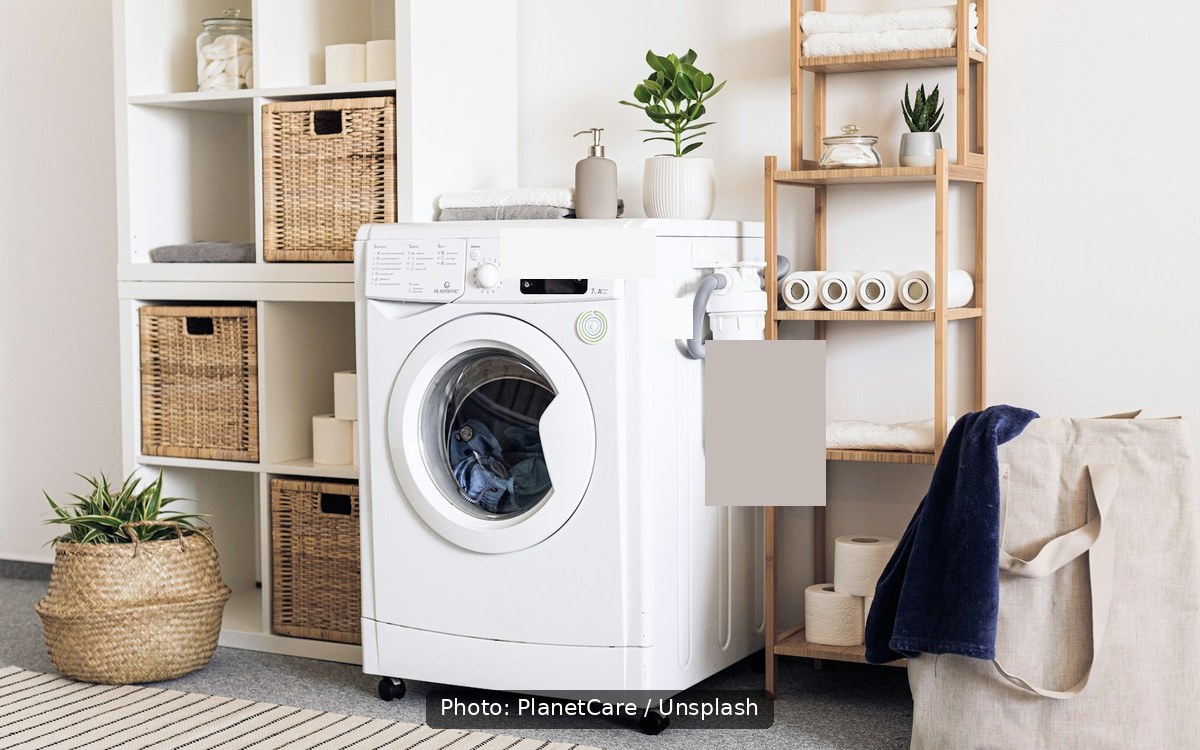

A washing machine is one of the hardest working appliances in the house. It fills, spins and drains hundreds of times a year, often with heavy, wet loads. When it breaks, the laundry piles up fast. A little homework before you buy can save you a lot of trouble later.
Here is the short version. Buy the size you need, put it where it makes sense, keep it level and do not pay for features you will not use. In my own experience over more than 35 years, across dozens of washers in different houses, the more bells and whistles a machine has, the more that can go wrong.
Start With How You Do Laundry
Before you look at a single model, think about your household.
How many people are you washing for? A single person or a couple has very different needs than a family with kids, work clothes and sports gear.
How often do you wash? Some households run one or two loads a week. Others run a load or more every day. If you wash often, durability and cycle time matter more. If you wash big loads less often, capacity matters more.
What do you wash? Barn clothes, coveralls, muddy jeans, towels and bedding all put more strain on a machine than everyday shirts. If you wash comforters or heavy work gear, make sure the drum can handle it.
Capacity
Washer capacity is listed in cubic feet. A larger drum lets you wash fewer, bigger loads and fit bulky items like bedding. A smaller drum can be fine for a small household or a tight space.
Bigger is not always better. A larger machine costs more, takes more room and can be overkill if you run small loads. Match the drum to your real laundry habits, not to the biggest number on the showroom floor.
Where Will The Washer Go?
Location matters more than many buyers expect.
Noise. Is your washer near a main living area, bedroom or kitchen where noise is a concern? Spin cycles can be loud, and some machines vibrate more than others. If the laundry is off the kitchen or upstairs near bedrooms, pay close attention to what owners say about noise and vibration for that model.
Floors. A washer on a concrete basement floor behaves differently than one on a wood-framed upper floor. Wood floors can flex and carry vibration through the house.
Space and access. Measure the height, width and depth of the space, plus room for hoses, the drain and the door or lid to open fully. Front loaders need room in front for the door. Top loaders need clearance above for the lid. Measure doorways and stairs on the way in, too.
Leak protection. Consider a leak pan under the machine in case there is a problem. A washer on an upper floor or over a finished room can do real damage if a hose fails or the tub leaks. A pan is a small cost compared to a ruined ceiling or floor.
Top Load Vs. Front Load
Top load versus front load comes down to preference and functionality. Neither one is right for everyone.
Top loaders let you load from above without bending as far. Many people find them easier to use, and you can often add a forgotten sock mid-cycle. Some use an agitator in the center. Others use a low-profile impeller to move clothes.
Front loaders tumble clothes and are generally known for using less water. They can be stacked with a matching dryer to save floor space. You do have to bend or use a pedestal to load them.
One caution on front loaders. Some people complain that front loaders can get a musty odor or mold buildup over time. The rubber door seal and the tightly sealed drum can trap moisture and detergent residue. Wiping the seal, leaving the door open between loads and running a cleaning cycle can help. If you are not willing to do that routine, factor it into your choice.
Cycles And Features: Steam, Sanitize Or Just The Basics?
Ask yourself honestly whether you need steam or sanitizing cycles, or just the regular settings. Steam and sanitize options can be useful for some households, such as those dealing with allergies, baby clothes or heavily soiled items. Many people, though, use the same two or three cycles every week.
Most features come down to personal preference. Extra cycles, touch screens, Wi-Fi apps, automatic detergent dispensers and special wash modes are conveniences. Some people love them. Each one is also another part, sensor or board that can fail.
A simple rule: pay for the features you will use every week and skip the rest. A simpler machine is often the one still running years from now.
Energy And Water Use
Look for the yellow EnergyGuide label, which estimates yearly energy use and operating cost. You can also look for the Energy Star label, which marks models that meet stricter efficiency standards for energy and water. Efficient washers can lower utility bills over the life of the machine, especially if you run a lot of loads or pay to heat water.
Detergent: Use Less Than You Think
Do not overuse soap. More detergent does not mean cleaner clothes. Too much can leave residue on clothes, cause extra suds and build up inside the machine, which can add to odor problems.
Follow the washer manufacturer's directions first. Most modern washers are high efficiency and call for HE detergent. Then experiment with less detergent. You can often get clean clothes on far less detergent than the detergent brand recommends. Start with a smaller amount, check the results and adjust from there.
Keep It Level
Washing machines are balanced machines. A full drum spinning at high speed puts a lot of force on the cabinet and the floor.
Level is a must, or you will find your machine "walking" across the floor. Most washers have adjustable feet. Use a level, set the machine flat front to back and side to side, and lock the feet in place. Check it again after the first few loads.
Take care to keep the machine as level as possible whenever you move it. Follow the manufacturer's instructions for moving it, including any shipping bolts or braces. Moving a washer carelessly can knock it out of balance and lead to vibration, noise and wear.
Regular Maintenance
Regular maintenance must be done to keep a washer operating and keeping clothes clean. A few simple habits go a long way:
- Clean the drum or run the cleaning cycle as the manufacturer recommends.
- Wipe door seals and gaskets, especially on front loaders.
- Leave the door or lid open after use so the drum can dry.
- Clean the detergent and softener dispensers.
- Check the filter or drain pump trap if your model has one.
- Inspect fill hoses for bulges, cracks or leaks and replace them when worn.
- Recheck that the machine is still level.
Research Brands And Service Records
As with any major appliance, do your research on brands and look closely at service records. A company's service record can matter as much as any feature. A washer full of options is little help if parts are hard to get or the nearest tech is weeks away.
Read the warranty before you buy. Warranties vary by brand and model. Check how long parts and labor are covered, whether the motor or drum has longer coverage, and who does the repairs in your area. If you are offered an extended plan, read what it covers and who backs it before you pay extra.
Read Reviews For The Exact Model
Carefully review the specific model reviews from where you plan to purchase. Do not assume one model will perform the same as another, even from the same brand.
- Search the exact model number.
- Look for patterns. One bad review may be bad luck. Many reviews about the same problem point to a real issue.
- Watch for comments on noise, vibration, odor, leaks and how clean clothes come out.
- Check the dates. Reviews written after months of use tell you more than first-week reviews.
- Note what owners say about service calls and parts.
Get An All-In Price
Delivery, installation, haul-away of the old machine, new hoses, a leak pan and related fees can add significantly to the cost. Get an all-in price that covers every charge before you buy, not just the price of the washer itself.
Bottom Line
Do your homework. Buy for your household size and how often you wash. Think about where the washer will sit and whether noise matters there. Decide whether you really need steam or sanitize, or just the regular settings. Choose top load or front load based on your preference and how you use it, and remember the odor concern some owners report with front loaders. Research brands and service records, and read reviews for the exact model from the seller you plan to use. Keep the machine level, consider a leak pan, maintain it regularly and go easy on the detergent.
Most features come down to personal preference. After 35-plus years and dozens of washers, my advice is simple: the more bells and whistles, the more that can go wrong.